






The paradox of choice describes a counterintuitive effect: beyond a certain number of options, choosing becomes harder, commitment drops and regret rises. Demonstrated in 2000 by the jam experiment, this mechanism applies directly to dating apps. Here's what to understand.
The jam experiment (Iyengar & Lepper, 2000)
In a supermarket, two researchers set up a tasting stand. With twenty-four jams, the stand drew more people, but only 3% of passersby bought one. With six jams, 30% left with a jar — ten times more. Sheena Iyengar (Columbia University) and Mark Lepper's (Stanford University) lesson has become a classic: beyond a certain threshold, choice paralyzes instead of liberating.
What does this have to do with dating apps?
The same logic applies to profiles. A study by Jonathan D'Angelo and Catalina Toma (Media Psychology, 2017) showed that people who had access to a large number of profiles were, a week later, less satisfied with their choice and more inclined to want to change it. Abundance creates anticipated regret: what if the best one was among those I didn't see?
Desire needs limits. Where everything is possible, nothing really has value anymore.
Fewer profiles, more commitment
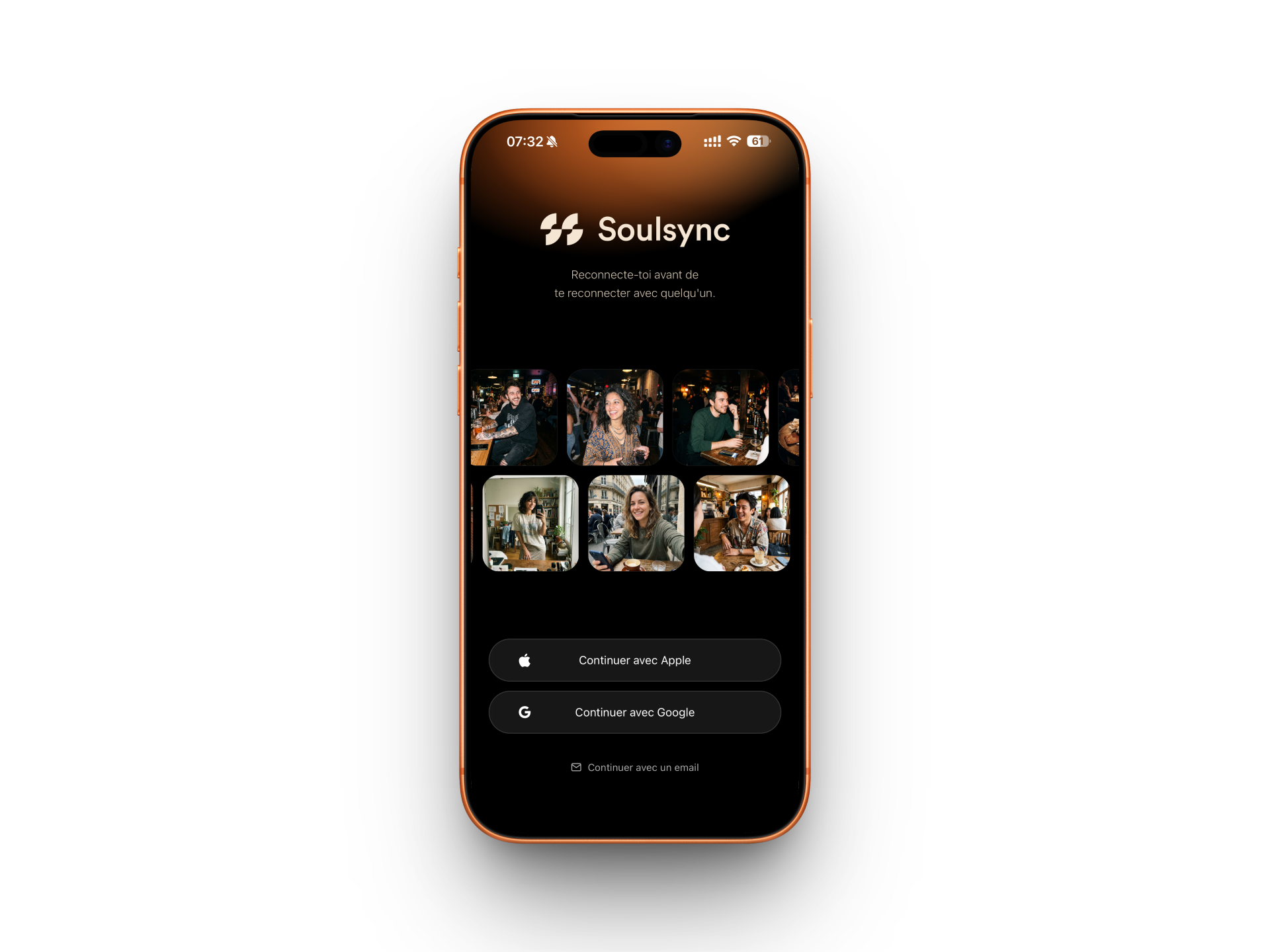
Four profiles a day isn't a technical restriction: it's a direct application of this research. By narrowing the field, we make each meeting more present, and commitment becomes possible again. Less, but better: it's not a slogan, it's a scientific finding.
Key takeaways
- 24 jams → 3% purchase; 6 jams → 30% purchase (Iyengar & Lepper, 2000).
- Too many profiles lowers satisfaction and raises regret (D'Angelo & Toma, 2017).
- Abundance creates anticipated regret that holds back commitment.
- Limiting daily choice makes each meeting more present.
The Soulsync team — Soulsync Newsroom